Product Overview
Wireless signal acquisition systems eliminate the cost and complexity of cabling while providing flexible, scalable measurement solutions. These systems employ robust wireless communication protocols to transmit sensor data from distributed measurement points to central data collection and analysis stations. Bridgent Technology's wireless acquisition systems combine low-power sensor nodes, reliable mesh networking, and sophisticated synchronization algorithms to deliver performance approaching that of wired systems while offering unprecedented deployment flexibility.
Modern wireless sensor networks support diverse sensor types including strain gauges, accelerometers, temperature sensors, and environmental monitors. Time-synchronized sampling across all nodes enables accurate multi-point measurements for modal analysis, load distribution studies, and other applications requiring phase-accurate data. Intelligent power management extends battery life to months or years, while optional energy harvesting capabilities enable truly autonomous operation.
Scalable network architectures accommodate from a few sensors to hundreds of measurement points. Self-organizing mesh networks automatically route data around obstacles and failed nodes, ensuring robust communication even in challenging RF environments. Encrypted communication and authentication protocols protect data integrity and prevent unauthorized access. Cloud connectivity enables remote monitoring and data access from any location with internet connectivity.
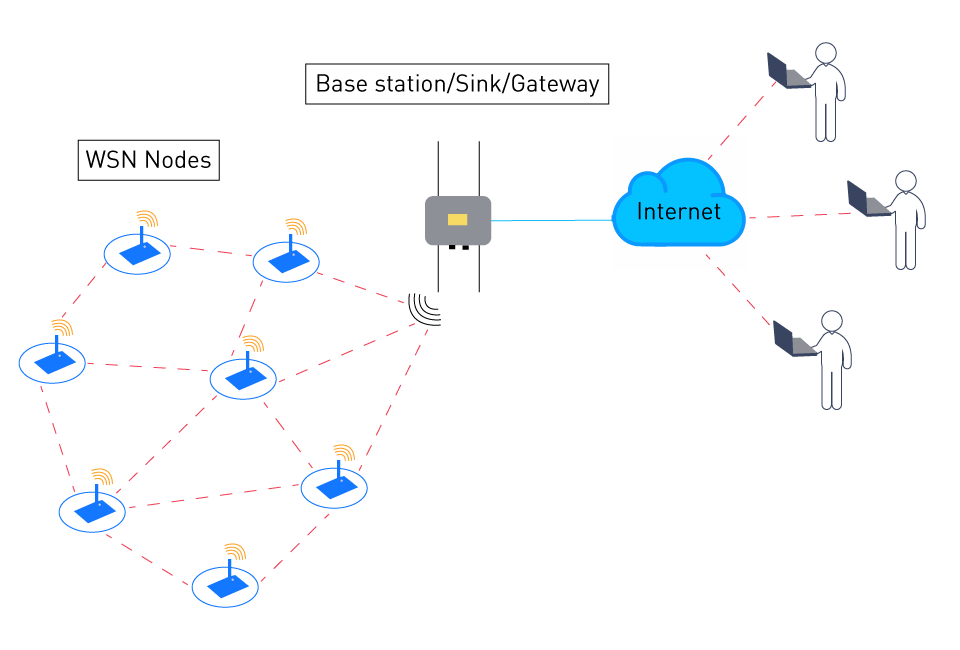
- Temporary structural testing and monitoring
- Difficult-to-access or rotating component monitoring
- Large-scale sensor networks for infrastructure monitoring
- Rapid deployment for emergency assessments
- Retrofit monitoring of existing structures
Technical Specifications
100 meters typical per hop in mesh network. Extended range with repeater nodes or high-gain antennas.
Up to 256 sensor nodes per gateway. Multiple gateways support larger installations.
1 Hz to 10 kHz per channel depending on sensor type and network configuration. Burst sampling for transient capture.
Sub-millisecond time synchronization across all nodes. GPS time reference for absolute timing.
6 months to 5 years depending on sampling rate and transmission frequency. Solar charging extends operational life.
IP67 or IP68 enclosures for outdoor deployment. Operating temperature -40°C to +85°C.
Features & Benefits
No cabling required enables installation in hours rather than days. Magnetic or adhesive mounting options for temporary installations.
Software-configurable sampling rates, transmission intervals, and sensor parameters. Remote reconfiguration without site visits.
Frequency-hopping spread spectrum and error correction ensure data integrity. Automatic retry and buffering handle temporary communication interruptions.
Long battery life and robust hardware minimize maintenance requirements. Remote battery status monitoring enables proactive replacement.
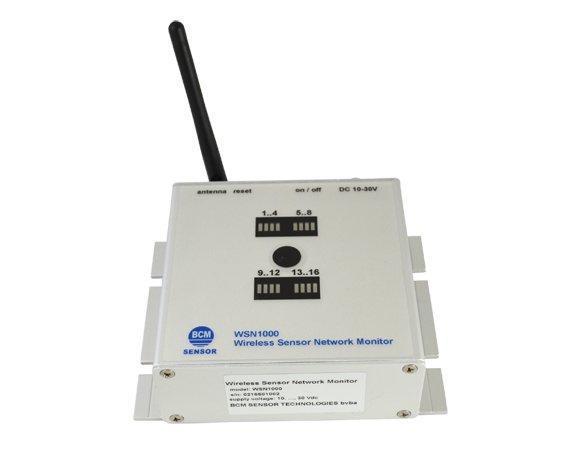
Complete system configuration with advanced features and capabilities
Industries Served
Wireless acquisition systems serve applications where cabling is impractical or cost-prohibitive. Construction monitoring projects use wireless systems for temporary installations during building or renovation. Transportation infrastructure monitoring employs wireless sensors on bridges where cabling would be difficult or disruptive. Industrial facilities monitor rotating machinery, high-temperature equipment, and hazardous areas with wireless sensors. Research applications benefit from the flexibility to quickly reconfigure sensor layouts for different test scenarios.